The brief
WebArm is a Polish B2B software company shipping two products at once: WebArm KSeF, an e-invoicing platform aligned to Poland's national KSeF system, and WebArm ERP API, a developer-facing integration product. The launch window was fixed. Both products needed paid social ads live inside two weeks.
Most product demo video companies quote 6–8 weeks for this scope. That timeline wasn't available. The brief was: full video creative for both products, full Meta Ads campaign wired up, everything shipped and running before the window closed.
What we delivered
Final package, produced across both products:
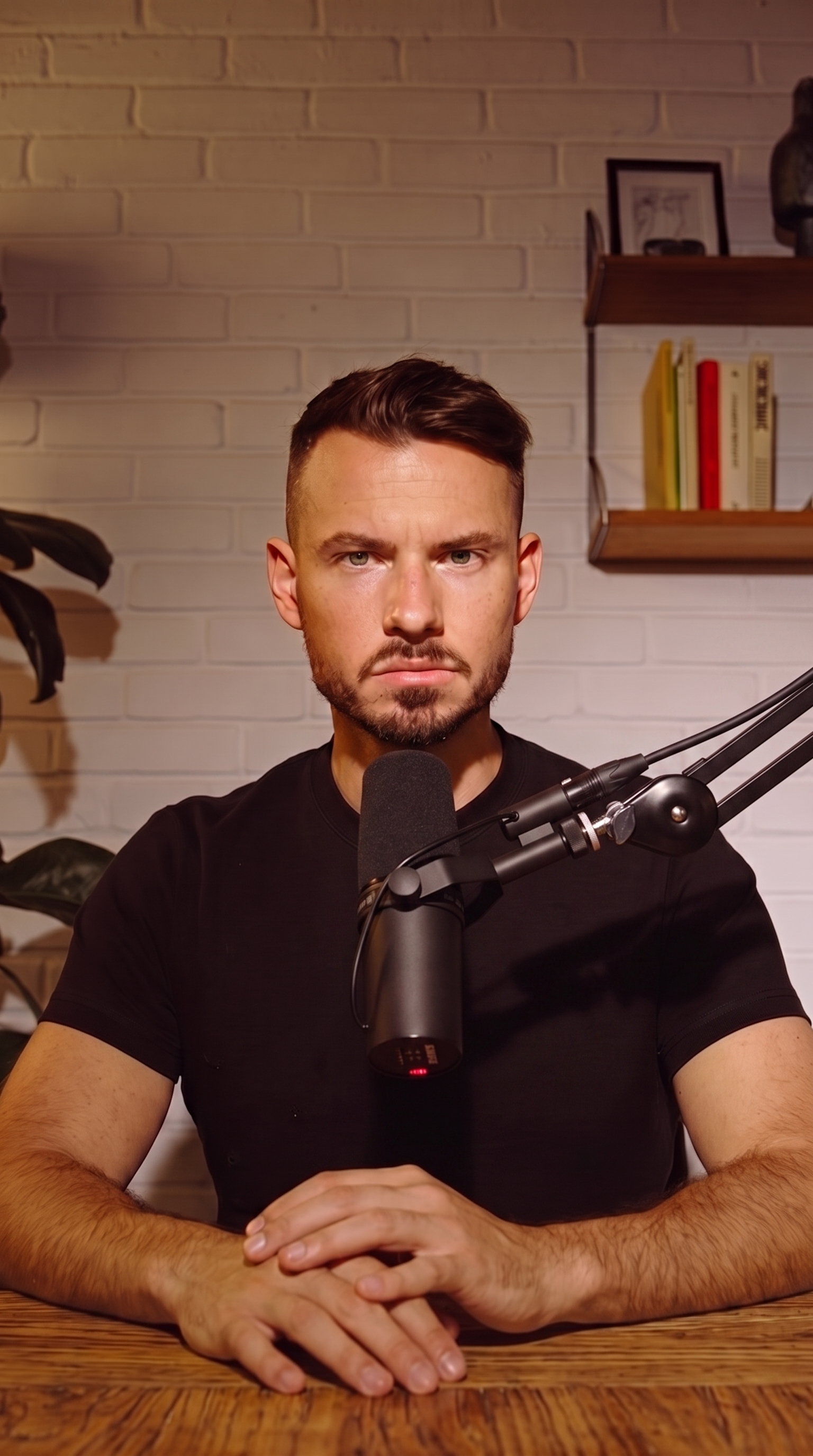
- 2 talking-head ads — one per product. Creator-style app promo videos with an AI presenter delivering the pitch.
- 2 B-roll spots — one per product. Product-walkthrough motion showing the interface and the value moment.
- 10 supporting images and animations — for Meta placements, product-overview stills, and animated product-demo variants.
- Full Meta Ads campaign setup — ad sets, audiences, creative uploaded, hook variants queued and ready to spend.
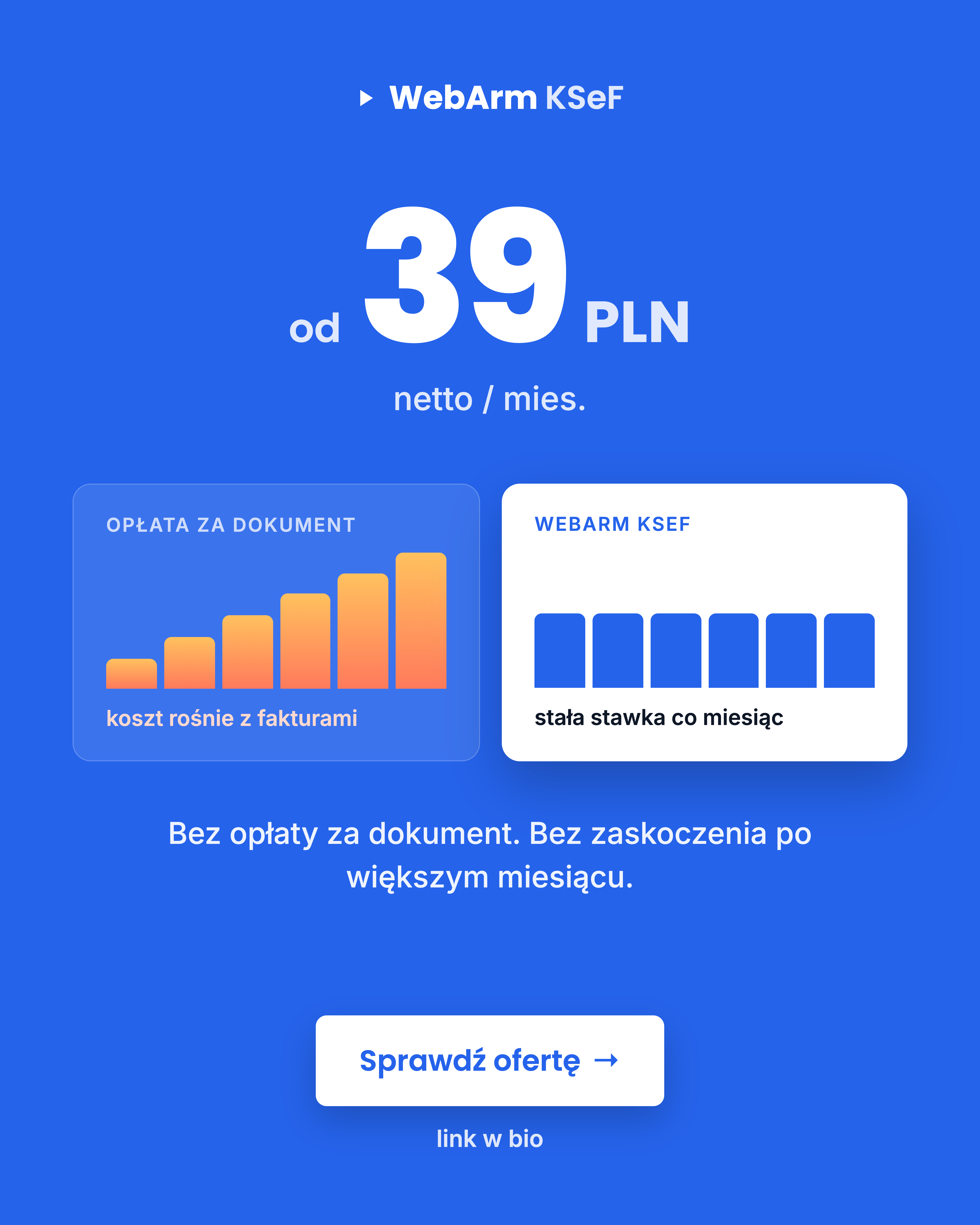
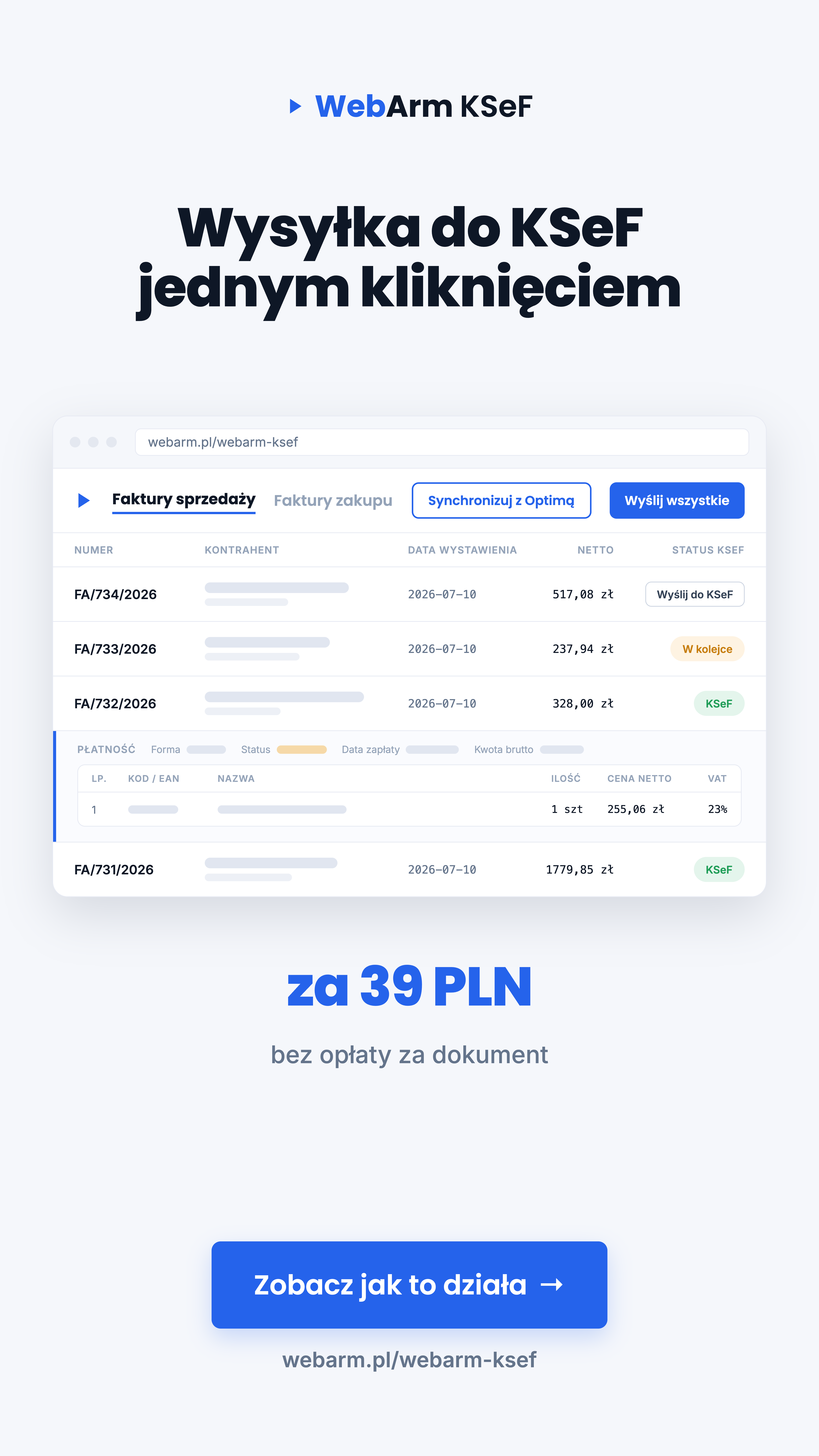
See all four ads and the full 10-asset gallery on the WebArm case study page.
The brand-DNA system — one foundation, two products
The reason two weeks was possible: we didn't build two separate productions. We built one brand DNA — a defined visual and voice system covering the AI presenter, color palette, typography, motion vocabulary, hook structure, and product-overview shot language — and produced everything from it.
From that foundation, both product lines inherit the same visual DNA. The KSeF talking head and the ERP API talking head read as siblings, not as two unrelated campaigns. The B-roll walkthroughs use the same motion language, the same UI treatment, the same lighting logic. Cross-product consistency became a byproduct of the system, not extra scope.
This is the difference between AI-native production and traditional. A traditional shop building two campaigns builds two productions — two shoot days, two animation runs, two revision cycles. An AI-native shop building one brand DNA and generating variants pays that fixed cost once.
Why speed was actually possible
Three things compressed the timeline from months to weeks:
- One brand DNA, reused. Every asset — talking heads, B-roll, images, animated product-demo variants — pulled from the same visual system. Set up once, generate many.
- No shoot day. An AI presenter doesn't need scheduling, a location, or a booking window. Talking-head production started day one, not week three.
- Revisions are prompt tweaks, not billing cycles. A round of client feedback that would be a week's revision at a traditional agency was hours here — regenerate with adjusted prompts, deliver the new cut same-day.
The strategic layer — brief, hook writing, competitive research, creative direction, Meta Ads setup — is the same work whether the production is AI or traditional. AI production doesn't remove it. What AI removes is the shoot-day, animator-hour, and revision-round overhead. That's where the weeks go.
What this actually costs
FrameGen's pricing, applied to the WebArm scope:
- 2 talking-head ads at $160 each — $320
- 2 B-roll spots at $140 each — $280
- 10 supporting images and animations — included as part of the campaign package
- Full Meta Ads campaign setup — included
A traditional agency quote for the same scope: $20,000 to $60,000, depending on studio and animation complexity. That's the actual cost gap on the same deliverable, for a full walkthrough of the comparison see AI vs. Traditional SaaS Explainer Video: What It Actually Costs.
Where this approach works — and where it doesn't
A shared-brand-DNA launch works when the products can live in one visual universe. WebArm's KSeF app and ERP API do — both are business software, both target Polish B2B buyers, both benefit from the same trust-and-utility positioning. One brand DNA covered both cleanly.
It works less well when products need genuinely separate identities — a consumer app plus an enterprise platform, or two brands under one company that need to feel distinct. In those cases, two brand-DNA systems and two productions are the right call, and the timeline goes up accordingly.
For most B2B SaaS launches — a product plus its integrations, a core app plus its mobile version, a platform plus its API — one shared brand DNA is not just faster, it's the correct architectural choice. Consistency across the product family is the point, not something to work around.
Launching a SaaS product on a tight clock?
Full campaign — product demo videos, app promo spots, and Meta Ads setup — shipped in weeks, not months. From $140/video, no retainer.
See pricing DM on Instagram